Webquest 1
A) About Cows:
1. What are the 5 most common pathologies of cows? Mention them and give a little description too.
-Mastitis: Mastitis in dairy cattle is the persistent, inflammatory reaction of the udder tissue. Mastitis,occurs when white blood cells (leukocytes) are released into the mammary gland, usually in response to bacteria invading the teat canal. Milk-secreting tissue and various ducts throughout the mammary gland are damaged due to toxins released by the bacteria. Mastitis can also occur as a result of chemical, mechanical, or thermal injury.

-Metritis: It´s an inflammation of the uterus, is caused by bacterial infection . Is one of the most common fresh cow diseases. Typically diagnosed during the first 10 days in milk, metritis is a uterine infection that can affect up to 30 percent of a dairy herd.
Metritis can cause a decline in fertility, lower milk production, a greater risk of culling and increased labor and treatment costs

-Foot and Mouth Disease:Foot-and-mouth disease or hoof-and-mouth disease is an infectious and sometimes fatal viral disease
The virus causes a high fever for approximately two to six days, followed by blisters inside the mouth and on the feet that may rupture and cause lameness.

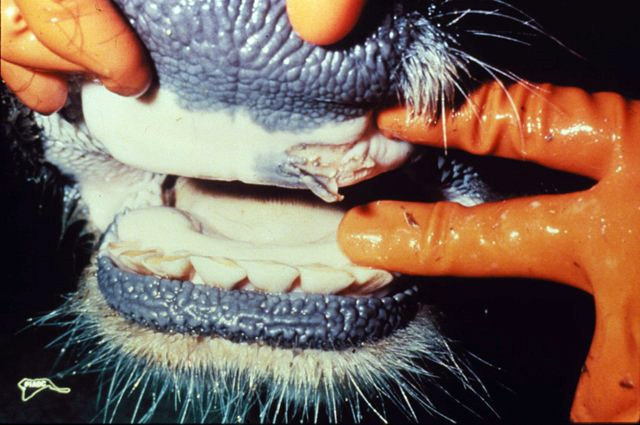
-Rumen Acidosis: Rumen acidosis is a metabolic disease of cattle. Like most metabolic diseases it is important to remember that for every cow that shows clinical signs, there will be several more which are affected sub-clinically.
Acute acidosis often results in death, although illness and liver abscesses may be seen before hand. Cattle may become depressed, go off feed, have an elevated heart rate or diarrhea.

-Milk fever: Milk fever, postparturient hypocalcemia, or parturient paresis is a disease, primarily in dairy cattle, but also seen in beef cattle, characterized by reduced blood calcium levels (see: Hypocalcemia). It occurs following parturition, at onset of lactation, when demand for calcium for colostrum production exceeds the body’s ability to mobilize calcium
In typical cases cows show some initial excitement or agitation and a tremor in muscles of the head and limbs. Then they stagger and go down to a "sitting" position, often with a 'kink' in her neck, and finally lie flat on their side before circulatory collapse, coma and death.

2. Publish a picture of the cow's digestive system (with names)

3. Publish a picture of the cow's external anatomy (with names)

B) Choose one of these farm animals: pig, horse or rabbit.


1. Choose a good website that refers to your animal. Explain why you like the website. (50 words)
http://www.horsechannel.com/horse-breeds/all_landing.aspx
I think this website it´s very cool because you can learn about the different breeds of horses, see some horse´s magazines, learn about English and Western Training (differences and what constitutes eah one) and even you can watch videos.
This website it´s a very good way to spend your time if you love horses!
2. Find a good picture showing (with names) the animal's external anatomy.

1. What are the 5 most common pathologies of cows? Mention them and give a little description too.
-Mastitis: Mastitis in dairy cattle is the persistent, inflammatory reaction of the udder tissue. Mastitis,occurs when white blood cells (leukocytes) are released into the mammary gland, usually in response to bacteria invading the teat canal. Milk-secreting tissue and various ducts throughout the mammary gland are damaged due to toxins released by the bacteria. Mastitis can also occur as a result of chemical, mechanical, or thermal injury.
-Metritis: It´s an inflammation of the uterus, is caused by bacterial infection . Is one of the most common fresh cow diseases. Typically diagnosed during the first 10 days in milk, metritis is a uterine infection that can affect up to 30 percent of a dairy herd.
Metritis can cause a decline in fertility, lower milk production, a greater risk of culling and increased labor and treatment costs
-Foot and Mouth Disease:Foot-and-mouth disease or hoof-and-mouth disease is an infectious and sometimes fatal viral disease
The virus causes a high fever for approximately two to six days, followed by blisters inside the mouth and on the feet that may rupture and cause lameness.
-Rumen Acidosis: Rumen acidosis is a metabolic disease of cattle. Like most metabolic diseases it is important to remember that for every cow that shows clinical signs, there will be several more which are affected sub-clinically.
Acute acidosis often results in death, although illness and liver abscesses may be seen before hand. Cattle may become depressed, go off feed, have an elevated heart rate or diarrhea.
-Milk fever: Milk fever, postparturient hypocalcemia, or parturient paresis is a disease, primarily in dairy cattle, but also seen in beef cattle, characterized by reduced blood calcium levels (see: Hypocalcemia). It occurs following parturition, at onset of lactation, when demand for calcium for colostrum production exceeds the body’s ability to mobilize calcium
In typical cases cows show some initial excitement or agitation and a tremor in muscles of the head and limbs. Then they stagger and go down to a "sitting" position, often with a 'kink' in her neck, and finally lie flat on their side before circulatory collapse, coma and death.
2. Publish a picture of the cow's digestive system (with names)
3. Publish a picture of the cow's external anatomy (with names)
B) Choose one of these farm animals: pig, horse or rabbit.
Horse
1. Choose a good website that refers to your animal. Explain why you like the website. (50 words)
http://www.horsechannel.com/horse-breeds/all_landing.aspx
I think this website it´s very cool because you can learn about the different breeds of horses, see some horse´s magazines, learn about English and Western Training (differences and what constitutes eah one) and even you can watch videos.
This website it´s a very good way to spend your time if you love horses!
2. Find a good picture showing (with names) the animal's external anatomy.


Comentarios
Publicar un comentario